

Mutual Benefits in Plant-Insect Relationships Discovered

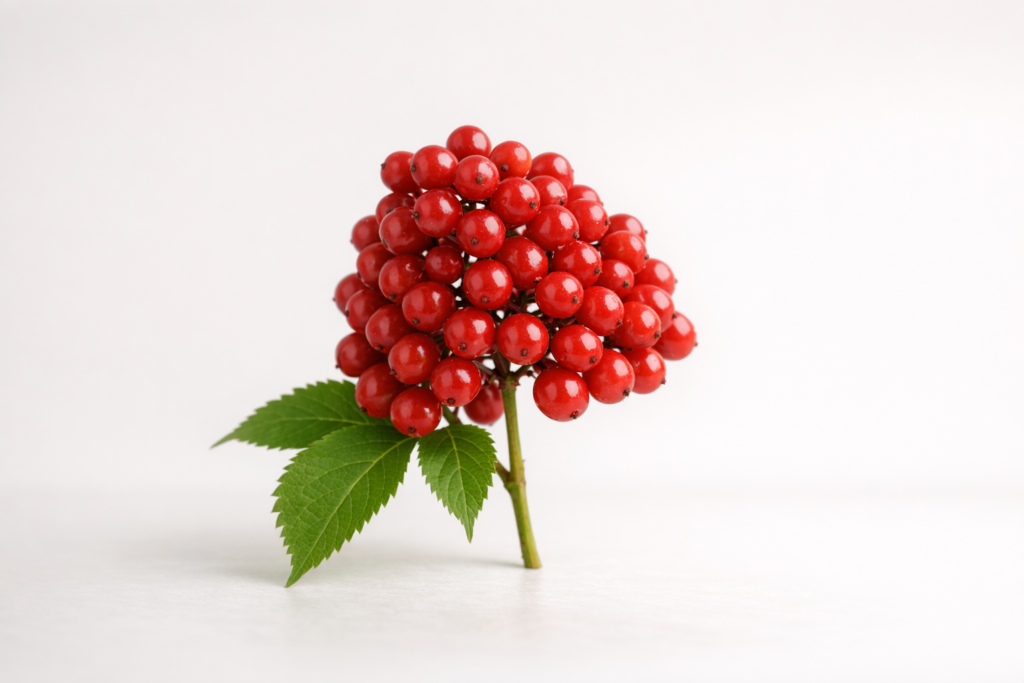
Recent research from Kobe University has revealed a fascinating interaction between Japanese red elder plants and Heterhelus beetles. The beetles not only pollinate the flowers but also deposit their eggs within the developing fruits. In response, the plants often drop many of these fruits, which might seem detrimental. However, the larvae that escape the fruits actually burrow into the soil to survive. This finding challenges previous notions that such fruit drops are purely punitive. Instead, it suggests that this mechanism represents a compromise beneficial to both the plant and the larvae, stabilizing their relationship. This discovery highlights the complex dynamics of plant-insect interactions, where cooperation can arise from conflict.
The implications for agriculture and food systems are significant. Understanding these intricate relationships can lead to better management practices that support beneficial insect populations, enhancing pollination and improving crop yields. Moreover, recognizing that not all interactions are detrimental allows for more nuanced agricultural strategies that could foster biodiversity and promote sustainability.
Original research: Kobe University
Respuestas